
Iconic Car Gauge Clusters of 2020: A Journey Through Automotive Innovation
As we reflect from the vantage point of 2025, the evolution of car gauge clusters stands as a testament to how automotive design has transformed the driving experience. Back in 2020, these digital displays weren't just functional necessities; they were pivotal selling points that could sway a buyer's decision in an instant. After all, the gauge cluster is the second most crucial element a driver interacts with after the windshield, offering a window into the vehicle's soul. Manufacturers poured creativity into crafting clusters that blended beauty with innovation, making them feel like living art rather than mere instruments. Today, in 2025, we can appreciate how these 2020 models laid the groundwork for the holographic and AI-driven interfaces we now enjoy. But let's take a nostalgic drive back to that pivotal year and explore the masterpieces that defined an era.
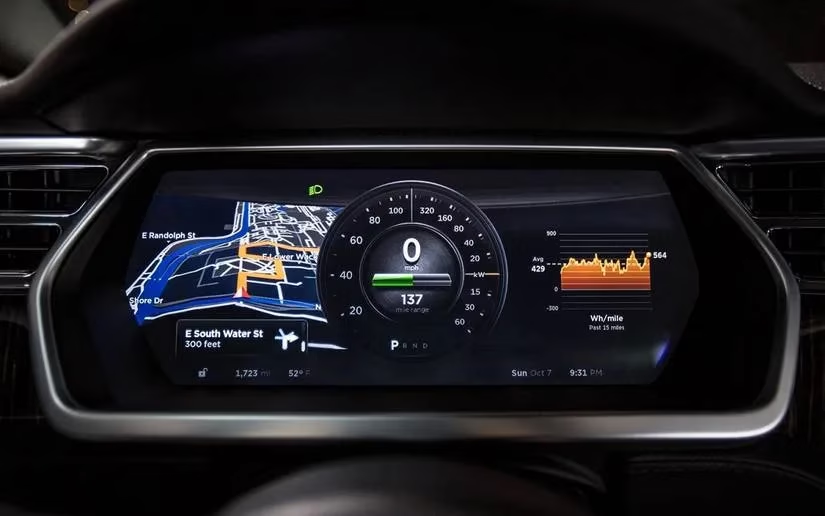
Stepping into the 2020 Tesla Model S felt like entering a sci-fi movie. The instrument cluster was a sleek, multifunctional screen that displayed everything from battery percentage to speedometer readings, all wrapped in a live animation of the car's journey alongside a 2D map. Drivers marveled at how it transformed mundane data into a dynamic visual feast. People also ask: What makes the Tesla Model S gauge cluster so futuristic? It's the blend of real-time efficiency metrics and interactive maps that predicted driving patterns, making it feel like a co-pilot rather than a display. This innovation set a high bar for electric vehicles, proving that simplicity could be profoundly engaging.
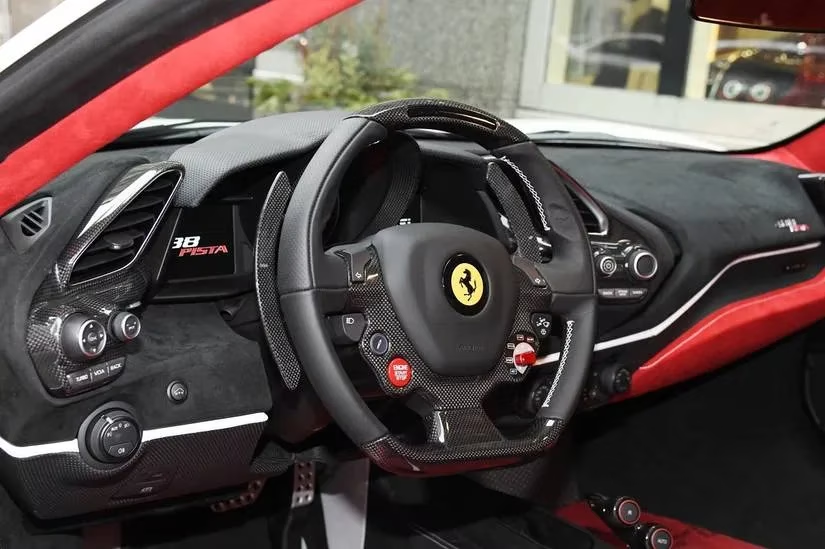
Next, the Ferrari 488 Pista Spyder offered a symphony of curves and colors. Its gauge cluster featured a brilliant yellow speedometer encircled by screens that relayed vital statistics, perfectly complementing the steering wheel's design. Enthusiasts adored how it merged art with performance, turning every drive into an adrenaline-fueled spectacle. People also ask: How did Ferrari integrate luxury into the 488 Pista Spyder's cluster? By using high-contrast visuals and responsive displays that adapted to racing conditions, it felt like a bespoke masterpiece tailored for speed demons.
Moving to the Genesis G70, the 2020 model stunned with its pioneering 3D technology—a 12.3-inch screen that created depth effects without glasses. Drivers could switch to 2D for comfort, but the 3D mode immersed them in a world where gauges seemed to leap off the dashboard. This blend of accessibility and wow factor made it a favorite among tech-savvy buyers. 😊
Here's a quick comparison of key features from these 2020 icons:
| Car Model | Gauge Cluster Highlight | Unique Feature |
|---|---|---|
| Tesla Model S | Multifunction screen | Live driving animation |
| Ferrari 488 Pista Spyder | Yellow speedometer | Curved complementary design |
| Genesis G70 | 3D display tech | Glasses-free depth |
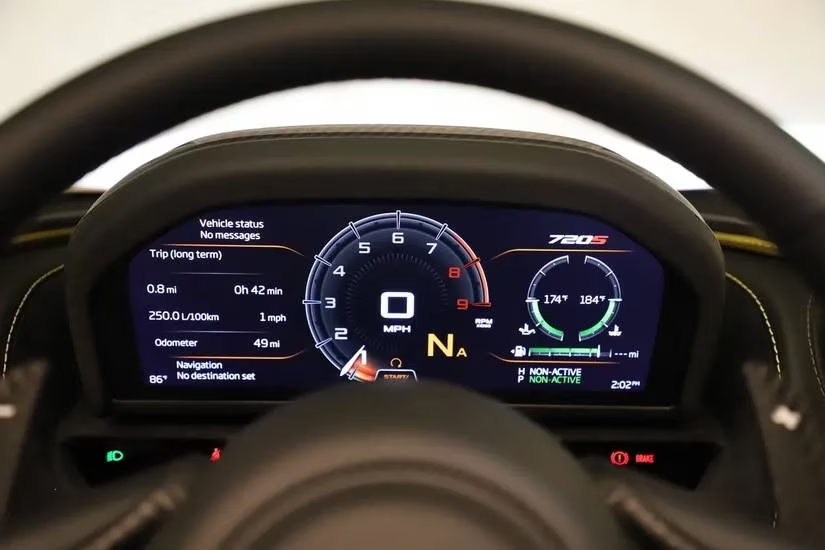
The McLaren 720S took innovation further with a foldable instrument cluster that revealed a heads-up display (HUD), ideal for track days when focus was paramount. This clever design allowed drivers to toggle between a traditional gauge and a minimalist HUD, enhancing both aesthetics and functionality. People also ask: Why was the McLaren 720S cluster so revolutionary? Its adaptability catered to diverse driving styles, from casual cruises to high-speed pursuits, making it a versatile marvel.
Lexus LC500 brought elegance to the table with a mood-shifting cluster that altered its appearance based on the selected driving mode—sporty reds for performance or serene blues for comfort. This personal touch made every journey feel uniquely tailored. 🚗
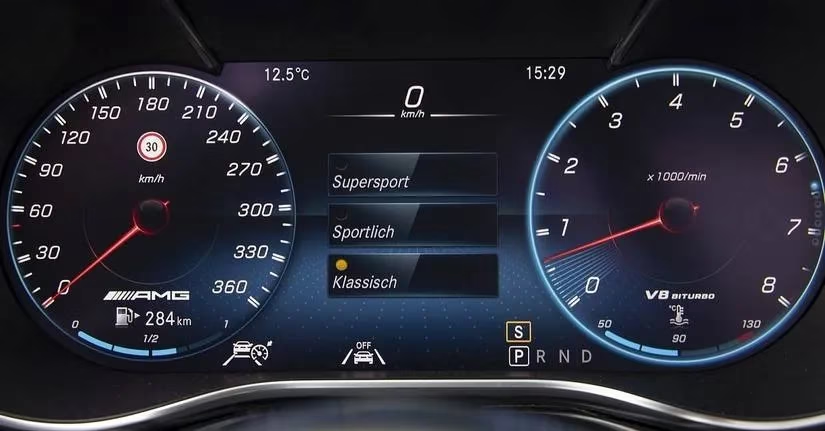
Mercedes-Benz AMG GT S epitomized luxury with its 12.3-inch screen, displaying everything from odometer readings to advanced software integrations. It wasn't just informative; it was intuitive, easing drivers into a seamless experience. This cluster reflected the car's opulent DNA, proving that technology could elevate everyday drives.
McLaren Speedtail and Elva pushed boundaries too. The Speedtail's center-mounted cluster felt like a futuristic command center, while the Elva's design flowed fluidly with the dashboard, building on the 720S's legacy. Both were track-focused, yet their displays added a layer of sophistication that appealed to collectors.
Finally, the Ferrari SF90 Stradale combined performance with exclusivity. Its tech-centered cluster and savvy steering wheel created a cockpit that screamed innovation. Drivers loved how it integrated data with style, making even routine trips feel like grand prix events.
As we cruise into 2025, these 2020 gauge clusters remind us that innovation starts with bold visions. They paved the way for today's AI-enhanced interfaces, where clusters predict driver needs and adapt in real-time. Ready to experience these classics or discover their modern successors? Visit your local dealership for a test drive and see how far automotive design has come—book your appointment today!